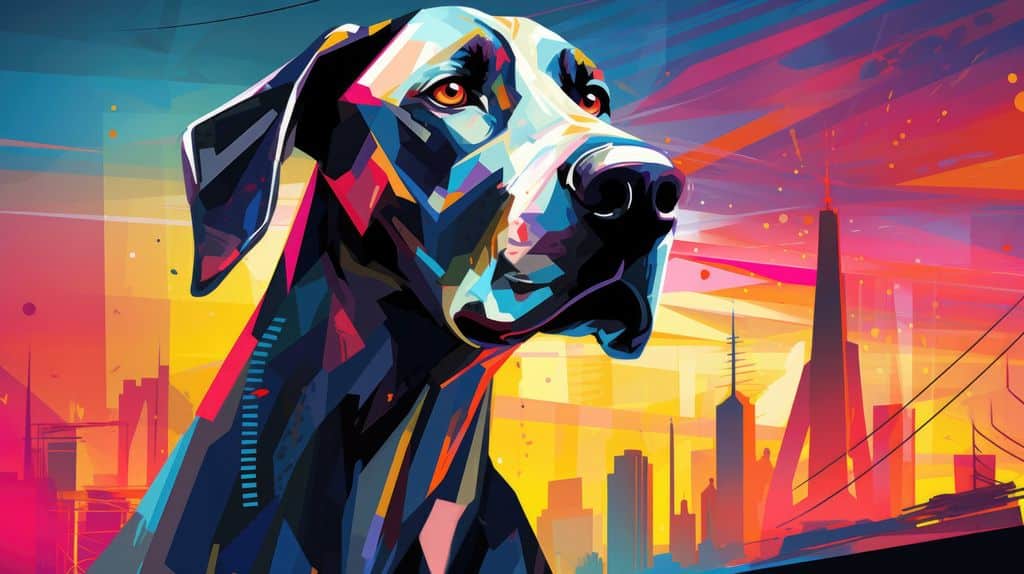
Finding a digital artist online can be a daunting task, but with the right strategies, it can be a rewarding experience. In this article, we will explore the role of a digital artist, different platforms to find digital artists, tips for evaluating portfolios, effective communication with artists, and how to collaborate successfully. By following these steps, you can find the perfect digital artist to bring your creative visions to life.
Table of Contents
ToggleKey Takeaways
- Understanding the role and qualifications of a digital artist is essential before starting your search.
- Online platforms like social media, freelance websites, and art communities are great places to find digital artists.
- When evaluating portfolios, look for technical skills, style consistency, and versatility.
- Establish clear communication channels and articulate your vision and expectations to ensure a successful collaboration.
- Managing timelines, providing feedback, and maintaining a collaborative relationship are crucial for a smooth collaboration with a digital artist.
Understanding the Role of a Digital Artist
What is a Digital Artist?
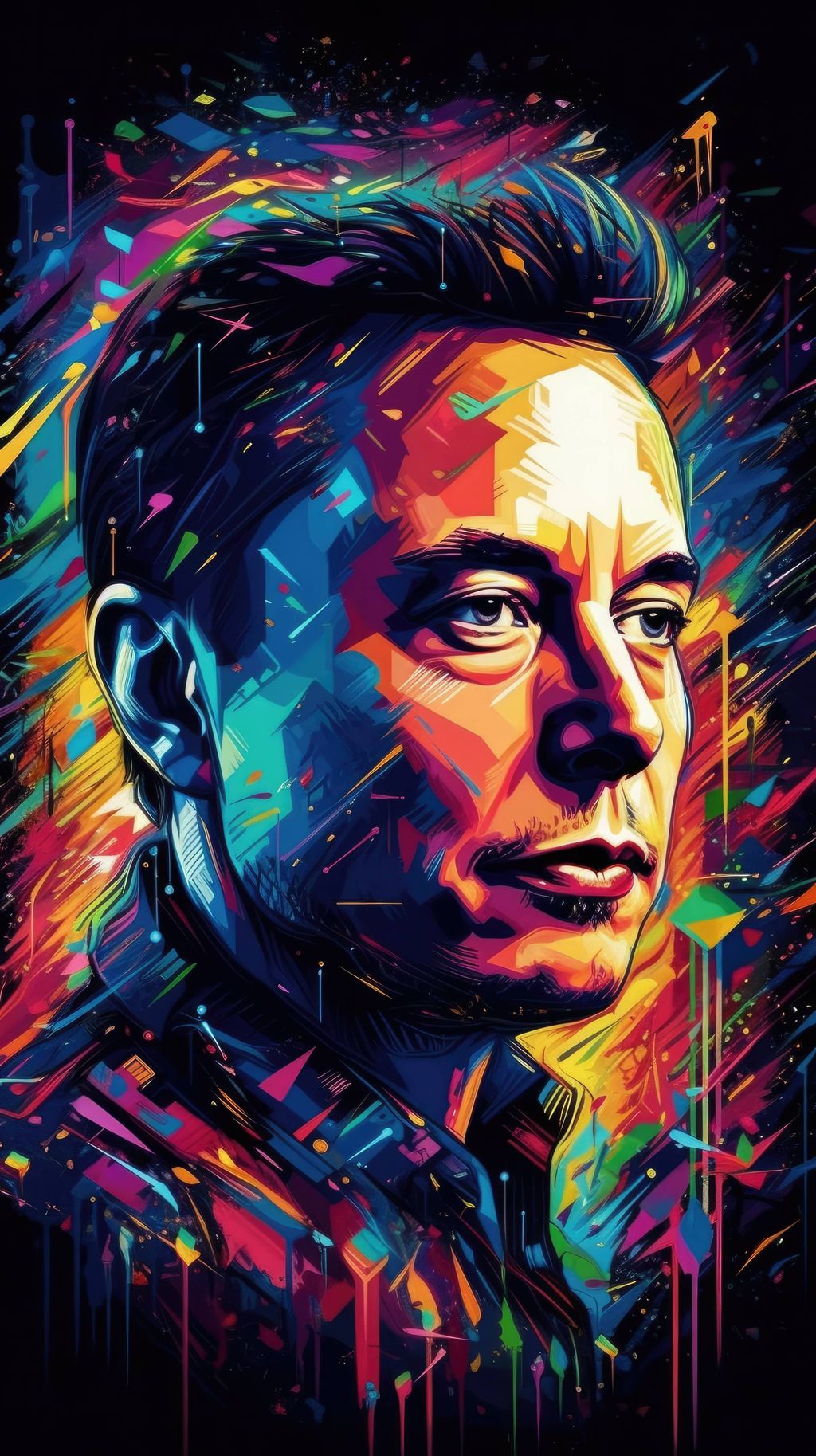
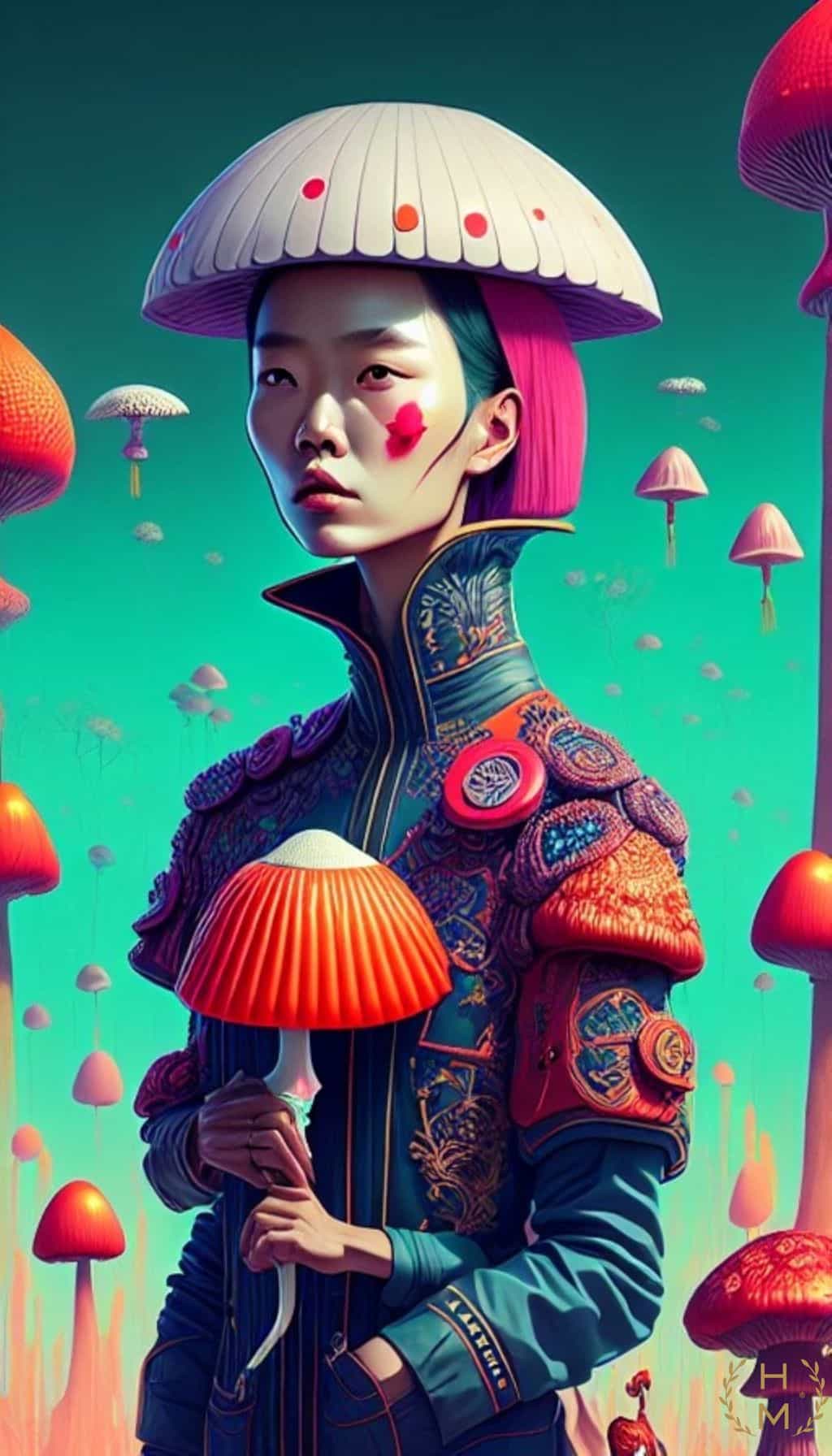
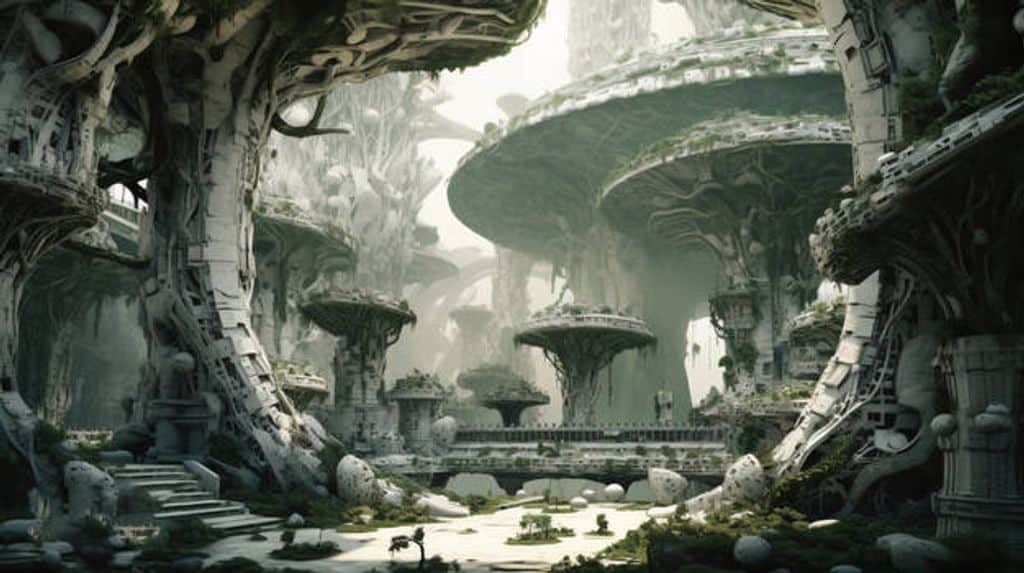
A digital artist is an artist who uses digital tools and techniques to create art. They leverage technology such as computers, software, and digital drawing tablets to produce their work. Digital artists have the ability to create a wide range of art forms, including illustrations, paintings, animations, and graphic designs. They often combine traditional artistic skills with digital techniques to achieve their desired results.
Skills and Qualifications of a Digital Artist
A digital artist requires a unique set of skills and qualifications to excel in their field. Creativity is at the core of digital art, as artists must be able to envision and bring to life their ideas using digital tools. Additionally, technical proficiency is crucial, as digital artists need to be proficient in using various software and tools specific to their chosen medium. Attention to detail is also important, as digital art often involves intricate designs and precise editing. Finally, adaptability is key, as digital artists must be able to keep up with the ever-evolving technology and trends in the industry.
Different Types of Digital Art
Digital art encompasses a wide range of styles and techniques, allowing artists to explore their creativity in unique ways. Here are some of the different types of digital art:
- Digital Painting: Artists use digital tools to create paintings that mimic traditional media, such as oil, watercolor, or acrylic.
- Vector Art: This type of art is created using mathematical equations to create smooth, scalable images.
- Pixel Art: Artists create images using small, pixelated blocks, reminiscent of early video game graphics.
- Photo Manipulation: Artists combine and alter photographs to create surreal or fantastical images.
- 3D Modeling: Artists use specialized software to create three-dimensional objects and scenes.
Each type of digital art offers its own unique possibilities and challenges, allowing artists to push the boundaries of their creativity.
Finding Digital Artists Online
Online Platforms for Finding Digital Artists
When it comes to finding digital artists online, there are several platforms that can help connect you with talented individuals. These platforms provide a space for artists to showcase their work and for buyers to browse and hire artists for their projects. Some popular online platforms for finding digital artists include Behance, DeviantArt, and KnownOrigin. Each platform has its own unique features and community, so it’s worth exploring multiple platforms to find the right artist for your needs.
Tips for Searching and Evaluating Digital Artists
When searching for digital artists online, it’s important to keep a few key tips in mind:
- Narrow down your search: Use specific keywords or filters to find digital artists who specialize in the style or medium you’re looking for.
- Review portfolios: Take the time to carefully review the portfolios of digital artists you’re interested in. Look for consistency, quality, and a style that aligns with your vision.
- Check reviews and testimonials: Look for reviews or testimonials from previous clients to get an idea of the artist’s professionalism and the quality of their work.
- Consider communication skills: Communication is crucial when working with a digital artist. Look for artists who are responsive, clear in their communication, and open to feedback.
Remember, finding the right digital artist for your project takes time and research. Don’t rush the process and make sure to evaluate each artist thoroughly before making a decision.
Networking and Recommendations
When it comes to finding digital artists online, networking and recommendations can be invaluable. Building connections within the digital art community can help you discover talented artists and gain insights into their work. Here are a few ways to network and find recommendations:
- Join online communities and forums dedicated to digital art. Engage in discussions, ask for recommendations, and share your own experiences.
- Attend virtual events and webinars focused on digital art. These events often provide opportunities to connect with artists and industry professionals.
- Reach out to fellow artists or friends who have worked with digital artists before. They may be able to recommend someone they trust and have had a positive experience with.
Remember, networking and recommendations can open doors to new collaborations and help you find the perfect digital artist for your project.
Reviewing Digital Artist Portfolios
Importance of Reviewing Portfolios
Reviewing a digital artist’s portfolio is crucial when searching for the right artist for your project. It allows you to assess their skills, style, and creativity to determine if they align with your vision. By carefully examining their previous work, you can get a sense of their expertise in different techniques and mediums. Additionally, reviewing portfolios helps you understand the artist’s ability to meet deadlines and deliver high-quality work. It gives you confidence in their capabilities and ensures that you are making an informed decision.
What to Look for in a Digital Artist’s Portfolio
When reviewing a digital artist’s portfolio, there are several key factors to consider. First, pay attention to the artist’s style and technique. Look for consistency in their work and evaluate whether their style aligns with your vision. Additionally, examine the range of subjects and themes they have explored. A diverse portfolio demonstrates versatility and adaptability.
Next, assess the technical skills showcased in the portfolio. Look for proficiency in digital tools and software relevant to your project. Consider the level of detail, precision, and creativity in their work. This will give you an idea of their ability to bring your ideas to life.
In addition to the artwork itself, take note of the presentation and organization of the portfolio. A well-structured portfolio with clear categorization and easy navigation allows for a better viewing experience. It also reflects the artist’s professionalism and attention to detail.
Finally, consider the artist’s experience and track record. Look for any notable clients or projects they have worked on. Testimonials or reviews from previous clients can provide insights into their work ethic and reliability. Overall, a strong portfolio should showcase the artist’s skills, creativity, and professionalism.
Common Mistakes to Avoid
When reviewing a digital artist’s portfolio, one common mistake to avoid is solely focusing on the number of followers or likes they have on social media. While a large following can indicate popularity, it doesn’t necessarily reflect the quality of their work or their ability to meet your specific needs. Instead, take the time to carefully evaluate the artist’s style, technique, and consistency across their portfolio.
Another mistake to avoid is overlooking the importance of communication. It’s crucial to establish clear channels of communication with the digital artist from the beginning. This includes discussing your vision, expectations, and any specific requirements you may have. By ensuring effective communication, you can avoid misunderstandings and ensure that the final artwork meets your expectations.
Lastly, don’t forget to negotiate rates and contracts with the digital artist. It’s important to have a clear understanding of the artist’s pricing structure and any additional fees or terms that may apply. By discussing and agreeing upon these details upfront, you can avoid any potential conflicts or surprises later on.
Communicating with Digital Artists
Establishing Clear Communication Channels
When working with digital artists, it is crucial to establish clear communication channels from the start. This ensures that both parties are on the same page and can effectively collaborate on the project. Here are some tips for establishing clear communication channels:
- Use a project management tool or communication platform to centralize all communication and keep track of progress.
- Clearly define roles and responsibilities to avoid confusion.
- Schedule regular check-ins or meetings to discuss project updates and address any concerns.
- Be open and transparent in your communication, providing feedback and asking for clarification when needed.
Remember, effective communication is key to a successful collaboration with digital artists.
Articulating Your Vision and Expectations
When working with a digital artist, it is crucial to clearly communicate your vision and expectations. This will ensure that the artist understands your desired outcome and can deliver the results you are looking for. Here are some tips for effectively articulating your vision and expectations:
- Be specific: Provide detailed descriptions of what you want the final artwork to look like. Include information about colors, style, mood, and any specific elements you want to be included.
- Provide references: If you have examples of artwork that you like or want to use as inspiration, share them with the artist. This will give them a better understanding of your aesthetic preferences.
- Set realistic deadlines: Discuss the timeline for the project and make sure it aligns with your expectations. Be open to negotiation and consider the artist’s availability and workload.
Remember, clear communication is key to a successful collaboration with a digital artist.
Negotiating Rates and Contracts
When it comes to working with digital artists, negotiating rates and contracts is an important step in ensuring a successful collaboration. Here are some key considerations:
-
Fair Compensation: It is crucial to establish a fair and reasonable rate for the digital artist’s services. This can be based on factors such as the complexity of the project, the artist’s experience and skill level, and the estimated time required.
-
Scope of Work: Clearly define the scope of work in the contract to avoid any misunderstandings or disputes. Outline the specific deliverables, deadlines, and any additional services or revisions that may be required.
-
Payment Terms: Discuss and agree upon the payment terms, including the schedule, method of payment, and any upfront deposits or milestones.
-
Ownership and Usage Rights: Determine who will own the rights to the artwork and how it can be used. This is especially important if the artwork will be used for commercial purposes.
-
Contractual Obligations: Include provisions for confidentiality, termination, and dispute resolution in the contract to protect both parties.
Negotiating rates and contracts requires open and clear communication between the client and the digital artist. It is important to establish mutual understanding and reach a fair agreement that benefits both parties.
Collaborating with Digital Artists
Building a Collaborative Relationship
When collaborating with digital artists, it is important to establish a strong and collaborative relationship. This involves open and clear communication channels, where both parties can freely express their ideas and expectations. Trust is a key element in building this relationship, as it allows for a smooth and productive collaboration. It is also important to provide constructive feedback and direction throughout the process, ensuring that the artist understands your vision and can make necessary adjustments. Managing timelines and deadlines is crucial to keep the project on track and ensure timely delivery. By fostering a collaborative relationship, you can create exceptional digital art that meets your needs and exceeds your expectations.
Providing Feedback and Direction
When working with a digital artist, it is crucial to provide clear and constructive feedback. Feedback helps the artist understand your vision and make necessary adjustments to their work. Here are some tips for providing effective feedback:
- Be specific: Clearly articulate what you like and what needs improvement in the artwork.
- Use examples: Reference other artworks or styles that capture the aesthetic you are looking for.
- Be respectful: Remember that the artist has put time and effort into their work, so provide feedback in a constructive and supportive manner.
Remember, effective feedback is a two-way street. Encourage open communication and be open to the artist’s suggestions and ideas. This will help foster a collaborative and productive working relationship.
Managing Timelines and Deadlines
When collaborating with digital artists, it is crucial to establish clear timelines and deadlines. This ensures that both parties are on the same page and can work efficiently towards the project’s completion. To effectively manage timelines and deadlines, consider the following:
- Set realistic timeframes: Discuss with the digital artist to determine a reasonable timeline for each milestone or deliverable. Consider factors such as complexity, revisions, and the artist’s availability.
- Regular check-ins: Schedule regular check-ins to track progress, address any concerns, and make adjustments if necessary.
- Flexibility: Be open to adjustments in timelines if unforeseen circumstances arise. Communication is key to ensure both parties are aware of any changes.
Remember, effective time management is essential for a successful collaboration with digital artists.
Collaborating with digital artists is a game-changer for any creative project. At Pro Digital Artists, we understand the importance of working with talented individuals who can bring your vision to life. Whether you need illustrations, animations, or graphic designs, our team of skilled artists is here to help. With years of experience in the industry, we have built a reputation for delivering high-quality visuals that exceed our clients’ expectations. Our commitment to excellence and attention to detail sets us apart from the competition. So why wait? Take your project to the next level and collaborate with Pro Digital Artists today!
Conclusion
In conclusion, finding a digital artist online can be a rewarding experience. With the vast array of platforms and communities available, it has never been easier to connect with talented artists from around the world. Whether you are looking for commissioned artwork, collaborations, or even purchasing digital art, there are numerous options to explore. Remember to utilize social media, online marketplaces, and artist communities to discover and engage with digital artists. Embrace the digital art revolution and immerse yourself in the vibrant and diverse world of digital art!